Issues
Safeguarding Minnesotans' Money
I have worked to prevent fraud, strengthen oversight, and ensure every public dollar serves the people of Minnesota.
At a Glance
I have worked to prevent fraud, strengthen oversight, and ensure every public dollar serves the people of Minnesota.
- Prevent fraud by bringing the safety net back under state control.
- Strengthen audits, technology, staffing, and independent oversight.
- Recover stolen funds and hold perpetrators fully accountable.
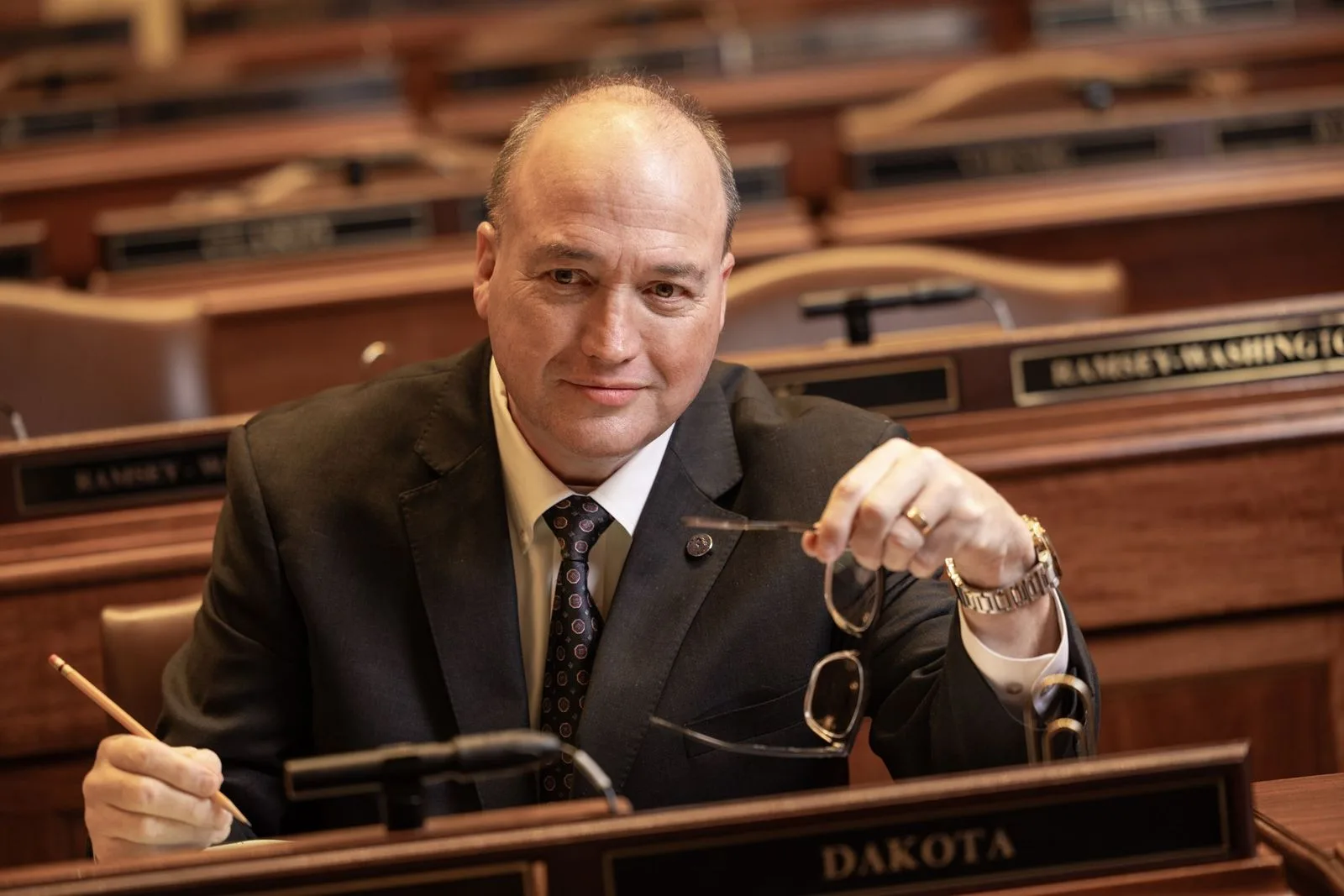
I stand with my DFL colleagues to reaffirm our commitment to preventing and fighting fraud in Minnesota. Every public dollar should serve the public good, not enrich scammers, shell companies, or criminals who exploit vulnerable communities. It is infuriating to see taxpayer dollars – intended to support families, seniors, individuals with disabilities, and children – being stolen through fraudulent activities. Many of the criminals are now in jail, stolen money has been clawed back, and prosecutions continue.
The work to stop and prevent fraud requires an honest assessment of the weaknesses and failures that allowed it to happen in the first place. Those that repeat and push hyperbolic numbers – with no evidence to support them – hurt their own credibility and undermine our efforts to end the fraud and protect needed social services.
My colleagues and I have rolled out a comprehensive legislative package aimed at preventing, detecting, investigating, and holding accountable those who commit fraud in Minnesota’s public programs. I am working with my colleagues on the other side of the aisle to pass meaningful and effective legislation to protect all Minnesotans.
Our goals are clear: to stop fraud before it starts and to ensure that those who perpetrate these crimes are held fully accountable. We must protect the essential programs that serve our most vulnerable citizens, safeguarding their access to vital resources.
Legislative fixes must address systemic failures and prevent fraud as well as strengthen agencies’ ability to halt fraud when it is discovered. This will require a comprehensive approach to ensure that we not only prevent fraud but also effectively identify and prosecute fraudsters. The integrity of our public programs depends on it, and we cannot allow opportunists to undermine our collective efforts. Now is the time for decisive action.
Solutions will need to be multi-pronged and carefully crafted. There are several efforts currently being debated in the legislature, including: funding critical technology upgrades, increased staff in the Attorney General’s office, automatic audits, significant changes to the Department of Human Services, and/or instituting an Inspector General. In some cases, bringing the work back under direct state control rather than outsourcing the safety-net to for-profit businesses who operate on a fee-for-service basis may be needed.
Administrative Oversight:
My own work in the Legislature and as Co-Chair of the Legislative Task Force on Emergency Medical Services led to the elimination of the Emergency Medical Services Regulatory Board after a report by the Office of Legislative Auditor that the Board improperly approved monetary grants, did not provide oversight for grants, overpaid ambulance services for training, and was, at best, negligent in salary approvals, overtime, and payroll matters. In addition, some contracts were issued with a vendor despite conflicts of interest.
Because of the work of the Task Force and my legislation, EMS services across the state are under the new Office of Emergency Medical Services. This new agency centralizes and standardizes certification, licensing, training, and inspection of ambulance services. This office will have the authority to re-draw service areas and, if needed, withdraw a provider’s authorization in the best interests of public health and welfare.
The Director is chosen by gubernatorial nomination with senate confirmation. The newly designed office also includes accountability and transparency over the use of public funds, and is required to submit an annual report to the legislature. The director’s report will include recommendations to the legislature on needed policy changes to better serve the people of Minnesota.
Protecting Individuals
Fraudsters are always coming up with new ways to steal our hard-earned money and often target seniors.
Virtual currency kiosks currently found in grocery stores and gas stations are largely unregulated and lack the consumer protections that banks are required to provide, making vulnerable people easy targets for fraud. A detective testified at a Commerce committee meeting in early 2026 about a senior citizen who lost 50% of her fixed income to a fraudster through one of these machines. The nature of cryptocurrency makes it nearly impossible to recover lost money.
Just as cigarette vending machines were regulated for public health, similar oversight of virtual currency kiosks is essential to protect consumers from financial exploitation.